







Search Results for: consumer behavior
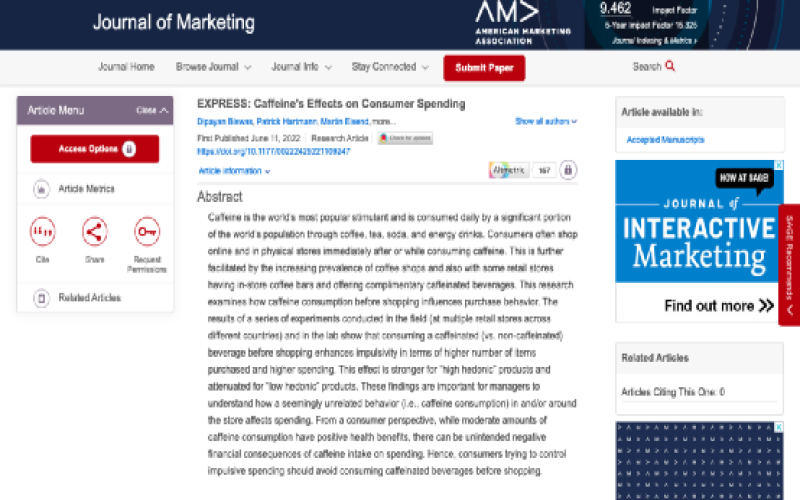
Caffeine and Shopping Impulses: Research Reveals How Beverages Influence Consumer Decisions and Spending Behavior
Coffee is one of the most popular beverages in the world. Not only can it refresh the mind, but it may also quietly change your shopping habits. A study published in the Journal of Marketing found that consuming caffeine before shopping significantly increases spending and the number of items purchased, especially non-essential goods. Researchers at the University of South Florida, through offline retail store and online laboratory experiments, revealed how caffeine affects impulse control by releasing dopamine. This article will explain in detail the design of the study, its results, and its implications for everyday consumption, while also reminding coffee lovers to be mindful of the potential financial effects while enjoying coffee. [more…]
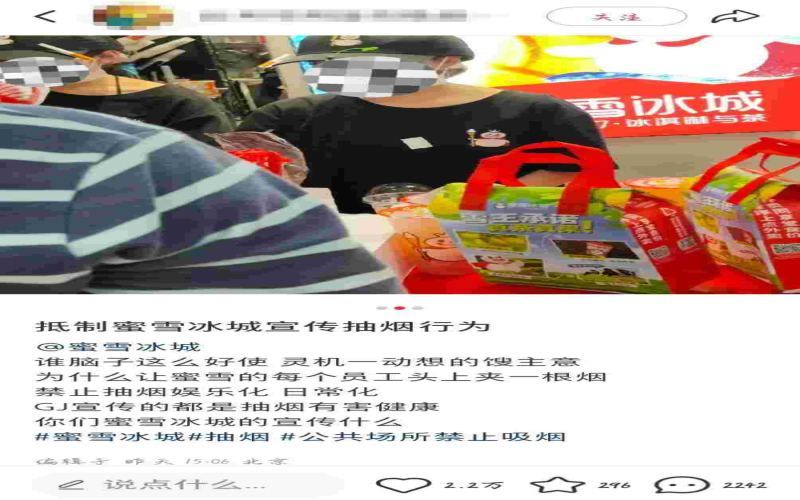
Mixue Bingcheng Employee Sparks Controversy with Cigarette Hair Clip on Cap Brim, Netizens Question Store Image and Food Safety
Recently, a post about Mixue Bingcheng employees wearing cigarette-shaped decorations sparked heated discussion on social media. The poster pointed out that store employees had cigarette-shaped hair clips attached to the brims of their baseball caps, arguing that this makes smoking seem entertaining and normalizes it, and expressing concern about the negative impact on brand image and consumer perception. Some netizens speculated that this was just young staff members playing around, while other Mixue employees emphasized that the stores strictly prohibit smoking. However, most voices still held that employees wearing uniforms represent the company's image, and cigarette decorations easily raise hygiene concerns, especially potentially setting a bad example for underage customers. After the incident gained traction, a person believed to be the store manager and official customer service responded one after another, acknowledging the inappropriate behavior and stating that it had been rectified. Front Street Coffee continues to follow developments in the coffee and beverage industry, bringing you the latest report. [more…]
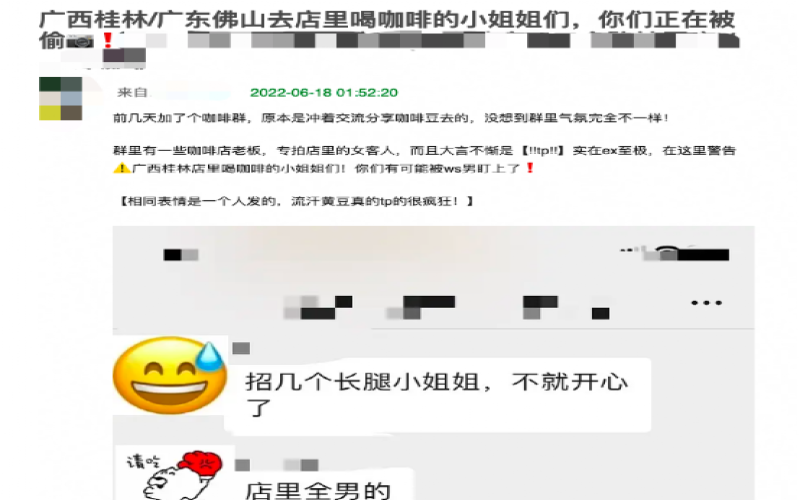
Coffee shop secretly filming female customers exposed: store fires employee and apologizes, industry image tested again
Coffee shops are supposed to be spaces for savoring and relaxation, yet a recent voyeuristic photo scandal exposed on a Douban group has shattered that tranquility. A coffee shop employee shared secretly taken photos of female customers' thighs in a WeChat group, proudly exchanging comments, which triggered strong condemnation from the coffee enthusiast community. The incident involved multiple coffee shops in Guilin, and the shops concerned issued statements one after another, apologizing for the misconduct of individual employees and dismissing or firing those involved. This incident not only violated customers' portrait rights and privacy but also cast a shadow over the professional image of the coffee industry. As coffee enthusiasts, we should pay more attention to baristas' professionalism and work ethics, and return to our love for and dedication to coffee itself. [more…]

CoCo staff cutting watermelon while eating sparks controversy, drawing renewed attention to back-of-house operational standards and food safety
Recently, a video of a CoCo milk tea shop employee eating watermelon while cutting it has sparked heated discussion online. The video shows the employee, while preparing ingredients for a watermelon drink, not wearing gloves, cutting off a piece and eating it directly, then continuing to process the remaining fruit. This behavior might be harmless in a home kitchen, but in a restaurant back kitchen it touches a sensitive nerve regarding food safety and operating standards. Some netizens believe that an employee daring to eat the ingredient actually proves the food is fresh, but more people are concerned about saliva contamination, food waste, and the lack of corporate rules. The manager of the shop involved responded that they are verifying the matter, but had not received authorization from headquarters to publicly announce the handling result. The incident once again pushes the hygiene management and employee operating habits of restaurant back kitchens into the focus of public opinion. [more…]
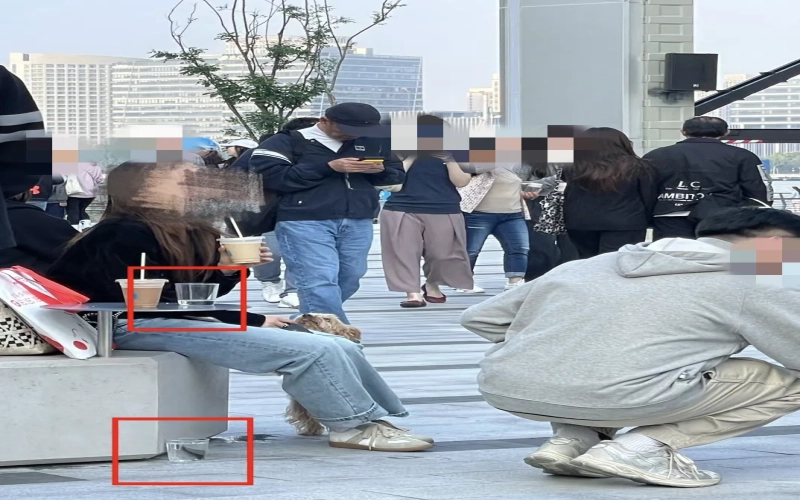
Blue Bottle Coffee store glass used by customer to feed dog, public tableware hygiene controversy sparks heated debate again
Recently, an incident at a Blue Bottle Coffee store in Shanghai, where a customer used a dine-in glass to give water to a pet dog, sparked widespread discussion. The person who filmed the incident pointed out that using public utensils to feed pets is uncomfortable, and although the staff promptly handled the situation and discarded the used cup, the underlying issue of managing "pet-friendly" spaces is worth pondering. On one hand, there is the emotional need of pet lovers; on the other, there is the legitimate concern of other customers regarding hygiene and safety. How to draw clear behavioral boundaries in public dining establishments has become a shared challenge for businesses and consumers alike. This article reviews the incident, gathers various viewpoints, and explores how coffee shops should strike a balance between pet friendliness and hygiene standards. [more…]

Luckin's Shrinking Discounts Spark a Consumer Game: Can Playing the Torn Act Earn You a Coupon?
Luckin Coffee has gone from its early days of frenzied subsidies to a noticeably reduced level of discounting today, with the price of a single drink generally climbing back into the 15 to 25 yuan range, and some consumers even feeling they are being price-gouged. As its reputation for value for money gradually fades, some netizens have figured out a method of "performative ordering"—repeatedly wavering in the mini-program and ultimately abandoning the purchase, in an attempt to trigger Luckin's retention mechanism and obtain coupons. Does this tactic actually work? And what user behavior analysis logic lies behind it? This article will lay out the full picture of this phenomenon, while also reminding consumers: even when hunting for bargains, one must uphold the bottom line of honesty. [more…]
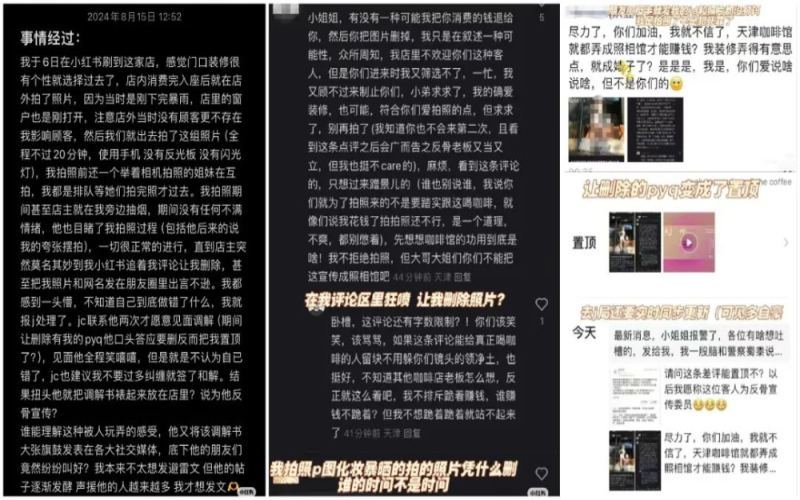
Coffee shop photo check-ins spark controversy: How should the boundary between shop owners and customers be drawn?
In today's era of thriving social media, coffee shops are no longer just places to savor coffee; they have also become popular check-in spots for many people's cameras. However, when photo-taking behavior evolves from personal documentation into commercial shoots or excessive posing, conflicts between shop owners and customers quietly emerge. A recent incident in which a shop owner framed and displayed a mediation agreement has once again made "whether photography is allowed in coffee shops" a hot topic of discussion. On one side is customers' desire to capture beautiful moments, and on the other is operators' consideration of maintaining the shop's atmosphere. How can both parties find a balance? This article will walk you through the whole incident and explore the boundary issues behind photo check-ins. [more…]
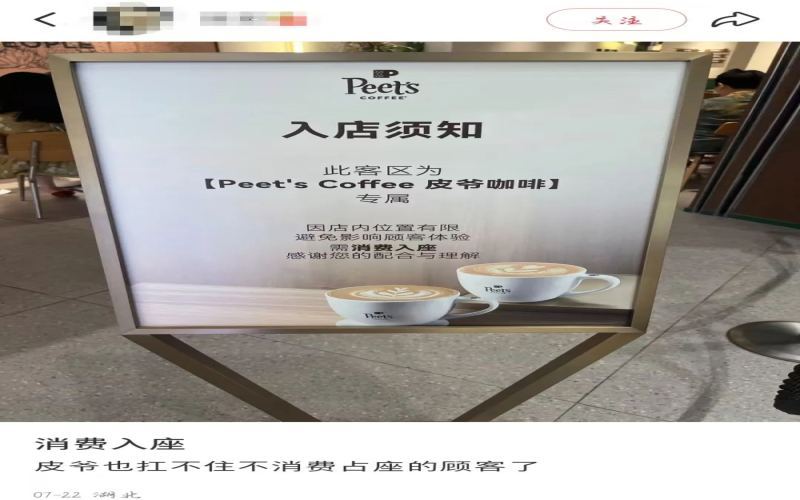
Peet's Coffee's implementation of a minimum purchase requirement for seating sparks debate: can chain brands use this to tackle seat-hogging?
Recently, a Peet's Coffee store in Wuhan placed a "Notice for Entry" at its entrance, explicitly requiring customers to make a purchase before they can be seated. This move quickly sparked widespread discussion among netizens. Many consumers expressed support, believing it can effectively curb uncivilized behaviors such as occupying seats for long periods without buying anything, playing cards, putting on makeup, or even livestreaming. Others questioned the notice's actual enforceability. Previously, Starbucks tried a similar policy, but the results were less than ideal. Whether Peet's move can truly improve the store environment and enhance the customer experience has become a focal point of attention in the coffee industry. [more…]
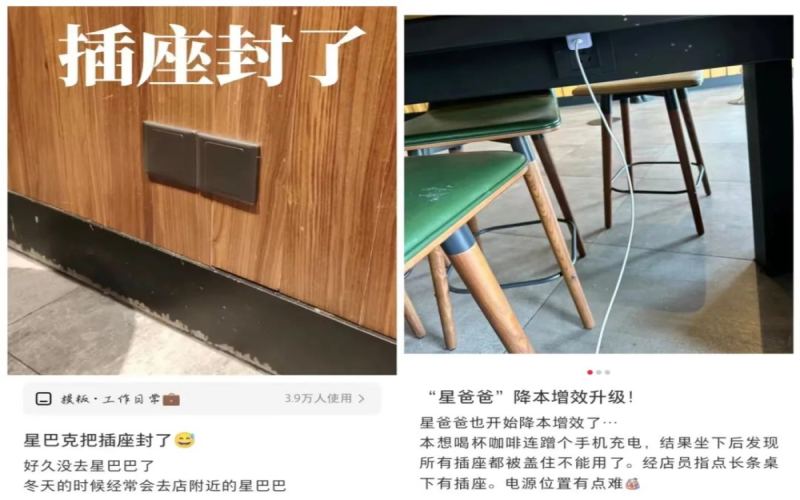
Starbucks stores sealing off power outlets sparks debate: the dilemma between third-place experience and resource occupation
Recently, customers in many places have noticed that some power outlets in Starbucks stores have been sealed off, sparking widespread discussion. As a chain brand positioned around the "third place," Starbucks has long attracted office workers, students, and other consumers who linger for extended periods, and amenities such as power outlets and Wi-Fi are among the reasons for its popularity. However, the behavior of some people who occupy seats and charge their devices without making a purchase has forced stores to take countermeasures such as sealing off outlets and requiring a purchase to be seated. Is this move a helpless step to cut costs and improve efficiency, or does it harm the experience of genuine customers? This article synthesizes multiple viewpoints to explore the balance between the operational dilemmas behind Starbucks' outlet closures and consumer rights. [more…]
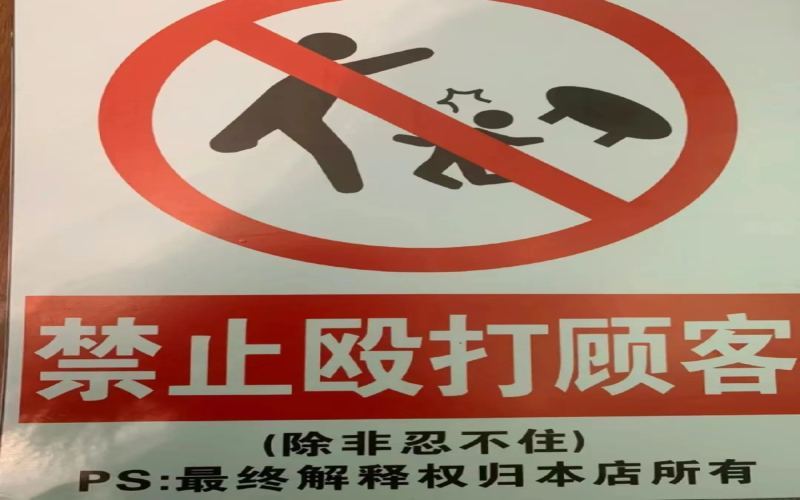
Why Are Coffee Shop Rules Increasing? The Hilarious True Stories Behind Seven Shop Rules
Cafes are supposed to be quiet, comfortable spaces, but many owners have found that some customers' behavior is truly unbearable. So one seemingly "unreasonable" rule after another has emerged—from banning diaper changes to prohibiting stinky tofu, each rule hides a real story. This article rounds up the bizarre experiences of cafe owners in various places, and how they use humor and gentleness to set rules that both preserve the in-store environment and retain a human touch. Amid fierce competition, how can independent cafes balance personal expression with customer relationships? This may be a question every industry professional needs to think about. [more…]
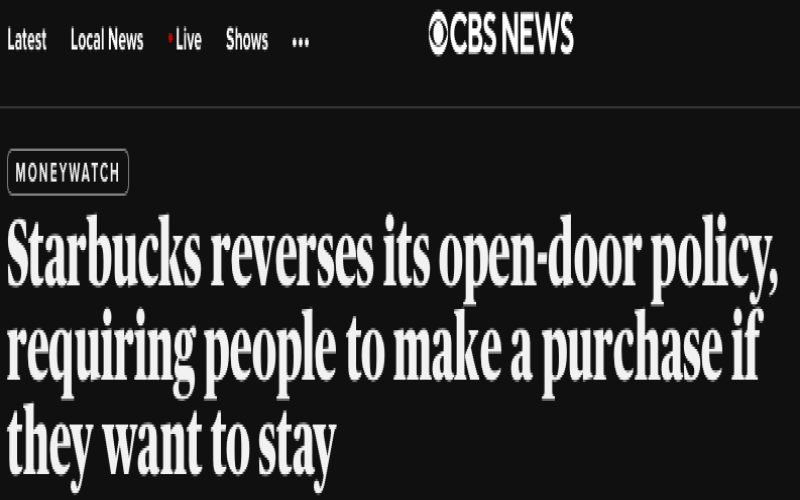
New Starbucks Policy in North America Ends Loitering Without Purchase, Chinese Stores Not Yet Following Suit
Starbucks recently announced the revocation of its long-standing open policy, requiring customers to make a purchase to enter all stores in North America, and introduced a new customer code of conduct. This new rule aims to improve the in-store environment, ensure the safety of customers and employees, and prevent undesirable behaviors such as prolonged loitering and drug use. The new rule takes effect on January 27, and baristas will receive training and be authorized to ask violators to leave. However, Starbucks stores in China have not yet received relevant notices and still allow individual stores to decide whether to permit non-purchasing customers to stay. [more…]
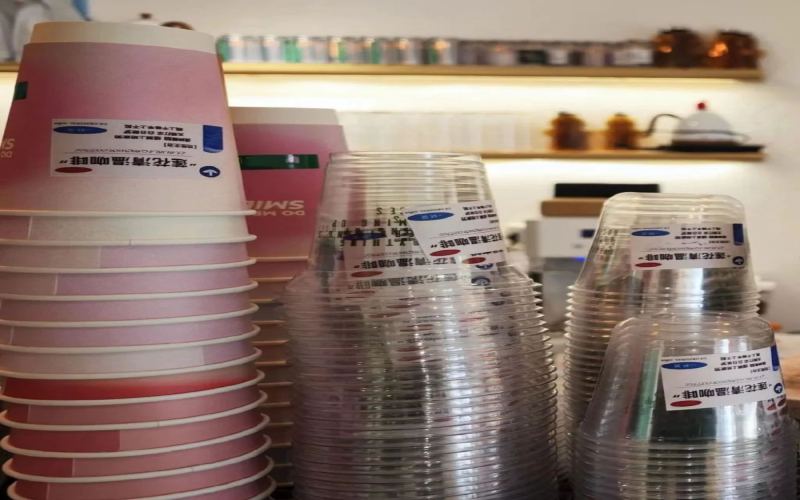
Coffee shop investigated for piggybacking on Lianhua Qingwen hype, Qingpu Market Supervision Bureau files case over unfair competition practices
Recently, a coffee shop in Qingpu District, Shanghai, was investigated by market regulators for attaching "Lianhua Qingwen Coffee" labels to its drink cups. The shop began selling such labeled drinks on December 19, 2022, and authorities seized 290 labeled paper and plastic cups on site, along with 1,058 unused labels. The shop claimed that customers suggested it "play on the meme" for marketing, but enforcement officials pointed out that this kind of behavior could easily lead consumers to mistakenly believe the product had a specific connection with Lianhua Qingwen, and it was suspected of unfair competition. It is worth noting that coffee itself may have a certain auxiliary effect on relieving cold symptoms, but it is by no means a substitute for medication. Front Street Coffee reminds all enthusiasts to view coffee's effects rationally and not to blindly follow trends. [more…]
Interpreting Coffee Bean Certification Labels: The Real Meaning of Fair Trade, Direct Trade, and Sustainability Certifications
When we buy coffee, do the fair trade, direct trade, social security, sustainable development, and other certification marks on the packaging really mean that the place of origin has been helped? As consumers, we pay more and more attention to these labels, but our understanding of the mechanisms behind them and their actual effects is limited. This article will deeply analyze the meaning, operating methods, and limitations of various coffee certification systems, and at the same time introduce practical cases such as Front Street in promoting sustainable development in places of origin, to help you support the healthy development of the coffee industry through more rational consumer behavior. [more…]
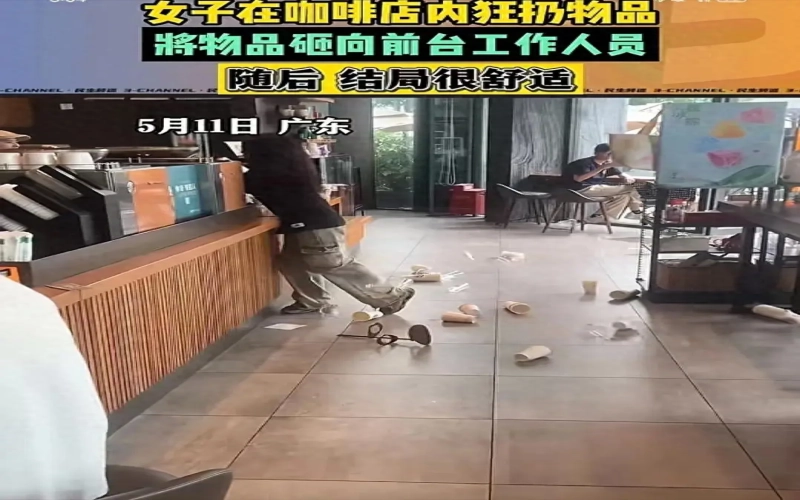
Shenzhen Starbucks Woman Smashes Coffee Cups in Store After Being Refused a Cup, Taken Away by Police
Recently, a conflict between a customer and staff occurred at a Starbucks store in Shenzhen. A woman, after being denied permission to take a coffee cup from the counter, suddenly lost control of her emotions, throwing cups and materials around the store, and even hurling cups and signs at the staff. Video of the scene quickly sparked discussion after spreading on social media. Some witnesses said the woman also kicked and damaged items at the entrance and insulted others in English and Cantonese, and was eventually taken away by police who responded to the call. Netizens hold differing views on store rules for managing consumables, how customers are communicated with, and the boundaries of behavior in public places. This article summarizes the course of the incident and voices from various sides, and includes some thoughts on the daily operations of coffee shops. [more…]
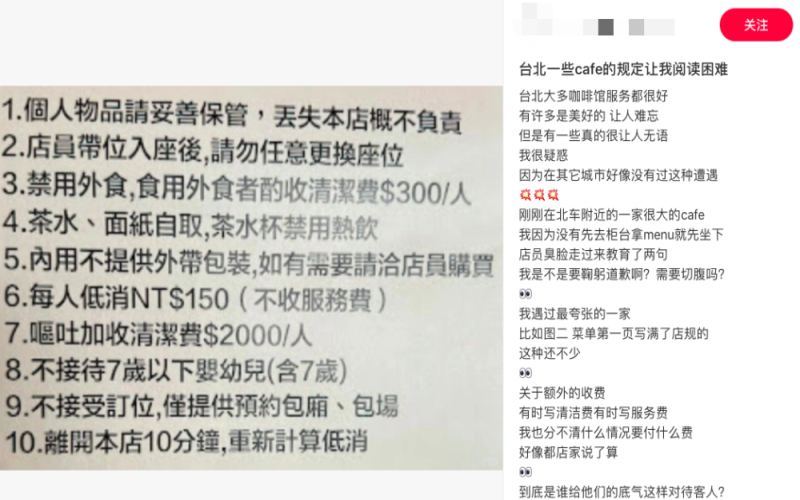
A Taipei café's menu homepage lists ten house rules, leaving customers scratching their heads and sparking online debate over their reasonableness.
Recently, a netizen shared that a coffee shop in Taipei printed a full ten store rules densely on the first page of its menu, sparking heated discussion. Among them, clauses like "vomiting incurs an additional cleaning fee of NT$2,000 per person" and "leaving for 10 minutes recalculates the minimum spend" left some customers complaining of a headache. However, many netizens expressed understanding, believing that such rules often stem from the shop's bitter experiences, and that stating the rules upfront benefits both sides. Independent cafes maintain their environment through store rules, while chain stores rarely have such regulations, yet uncivilized behavior such as occupying seats and making noise still occurs from time to time. This discussion reflects the two-way selection relationship between cafes and customers. [more…]
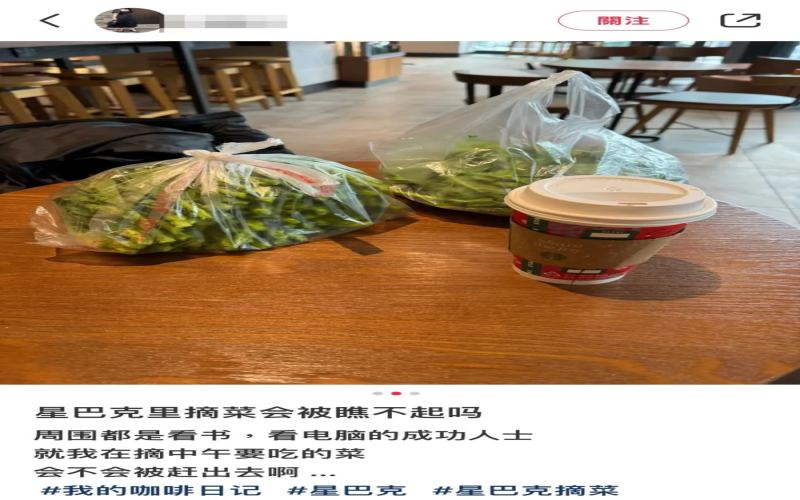
Should Starbucks staff prep vegetables in-store? Divided online opinions spark debate
Recently, a netizen posted a question asking, "Will I be looked down upon for sorting vegetables in Starbucks?", which quickly sparked widespread discussion. The netizen used the time while waiting for her child to finish class to buy a drink at Starbucks and sort vegetables, and felt out of place because most of the surrounding customers were reading or working. Regarding whether this behavior is appropriate, netizens' opinions showed clear divisions: some believed that kitchen chores should be avoided in public places, while others sympathized with the mother's hardship and thought it was no big deal as long as it did not affect others. Behind the incident is a reflection of the ambiguity and controversy surrounding the boundaries of use of chain coffee shops as a "third place." [more…]
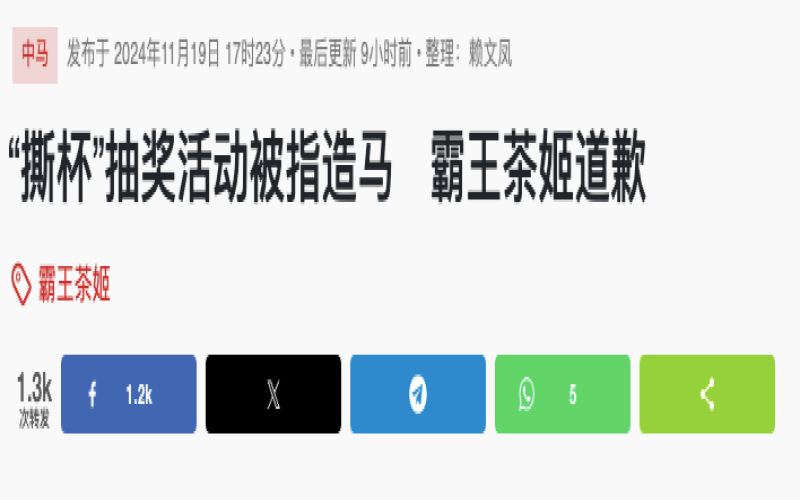
CHAGEE Malaysia's cup-tearing lucky draw accused of rigging, official apology issued and switch to QR codes
Recently, the "tear-the-cup" lucky draw campaign launched by Chagee in Malaysia has become mired in controversy. A video exposed that store employees were suspected of screening prize cards inside cups in advance and keeping the grand prizes aside, triggering strong consumer doubts about the fairness of the campaign. The brand initially demanded that netizens delete their posts through legal means, then responded successively on November 18 and 19 and issued an apology statement, admitting that the employees' conduct did not conform to corporate principles and announcing that starting in December it would switch to QR codes instead of paper lucky draw slips. Although the brand promised to make rectifications, public doubts about its handling approach and transparency have still not been completely dispelled. [more…]

Elderly people occupy outdoor seating at a Starbucks store for long-term card games, leaving staff no choice but to call the police for coordination.
Recently, at a Starbucks store in Baolong Plaza, Shengzhou, Shaoxing, Zhejiang, the outdoor seating area was occupied for a long time by several elderly people who not only chatted and rested there, but also gathered to play cards and mahjong, creating noise and refusing to give up seats, seriously disrupting the store's normal operations and other customers' experience. After repeated ineffective requests to leave, the staff chose to call the police, who arrived to mediate, and most of the elderly left that day. The mall stated that it had communicated with relevant departments and planned to guide these elderly people to a senior service center to rest. The incident sparked heated discussion online, with most people supporting the store's approach to maintaining order, and lawyers also pointed out that if the elderly make loud noises or play cards affecting others, they may violate the Public Security Administration Punishments Law. As a well-known coffee brand, Starbucks' store order management has once again become a public focus, and Front Street Coffee reminds consumers to enjoy the coffee space civilly. [more…]
Raw-pickled hairy crab paired with milk tea sparks debate; blogger's staged photo shoot questioned, experts warn against imitation
Recently, a short video showing raw drunken hairy crabs being added to milk tea cream and eaten quickly spread on social platforms, sparking widespread discussion. In the video, the blogger tasted this self-created drink at a popular milk tea shop, but it was later confirmed that the blogger had brought the crabs themselves for the staged video, and the shop did not sell the product. Netizens had mixed opinions on this behavior, while experts explicitly reminded the public not to imitate it, as eating frozen milk tea together with raw crab doubles the irritation to the stomach and intestines, and misleading the public for traffic is highly inadvisable. This incident also reflects the current situation in which the new tea beverage industry frequently engages in cross-sector innovation, but if innovation loses its boundaries, especially when food safety is involved, it is worth deep reflection. [more…]

Coffee Shop Management Dilemmas: Customer Photo Disputes on the Rise, Helpless Owners Face Cleanup Challenges
In today's era of social media dominance, coffee shops have become popular spots for photo check-ins. However, the accompanying inappropriate behavior of customers has also become a headache for shop owners. Recently, the owner of a well-known coffee shop in Thailand shared a series of frustrating encounters on social media—some customers splashed coffee after a dispute over photos and fled, leaving a mess behind; others damaged the shop's facilities and quietly left. These incidents not only caused financial losses for the shop but also affected the dining experience of other customers. This article will take you through the real dilemmas faced by coffee shop operators and netizens' views on such behavior. [more…]